How to Start a Marketing Strategy: Key Questions and Essential Information

Embarking on a marketing strategy can feel like navigating uncharted waters. With the right approach, however, you can develop a robust plan that not only attracts customers but also fosters long-term growth. At Blue Spark Strategies, we specialize in guiding businesses through this critical process, ensuring that every step is clear and actionable. Here’s a step-by-step guide to help you kickstart your marketing strategy.

1. Define Your Objectives

The first step in any marketing strategy is to clearly define your objectives. Ask yourself:

  • What are your short-term and long-term business goals?
  • How does marketing align with these goals?
  • Are you looking to increase brand awareness, generate leads, or boost sales?

Having well-defined objectives will serve as the foundation of your marketing strategy. It will help you measure success and make adjustments as needed.

2. Understand Your Target Audience

Knowing your audience is crucial for any successful marketing campaign. Consider the following questions:

  • Who are your ideal customers?
  • What are their pain points and needs?
  • Where do they spend their time online and offline?

Gathering this information will help you tailor your messaging and choose the most effective channels for reaching your audience.

3. Analyze Your Competition

Understanding your competitors is essential for positioning your business. Key questions include:

  • Who are your main competitors?
  • What are their strengths and weaknesses?
  • What differentiates your product or service from theirs?

This analysis will provide insights into market trends and help you identify opportunities to stand out.

4. Set a Budget

A well-planned budget ensures that you allocate resources effectively. Consider:

  • How much are you willing to invest in your marketing efforts?
  • What is the expected return on investment (ROI)?
  • How will you allocate funds across different marketing channels?

A realistic budget will help you prioritize your activities and maximize your marketing spend.

5. Choose Your Marketing Channels

Selecting the right channels is key to reaching your target audience. Ask yourself:

  • Which channels will best reach your audience (social media, email, content marketing, etc.)?
  • How will you integrate these channels for a cohesive strategy?
  • What content formats (blogs, videos, infographics) will resonate most with your audience?

6. Develop a Content Plan

Content is at the heart of any marketing strategy. To build an effective content plan, consider:

  • What topics are relevant to your audience?
  • How frequently will you publish new content?
  • How will you promote your content to maximize reach?

7. Measure and Adjust

Finally, it’s crucial to measure the success of your marketing efforts and make necessary adjustments. Key questions include:

  • What key performance indicators (KPIs) will you track?
  • How often will you review and analyze your results?
  • What will you do if your strategy isn’t meeting your objectives?

Ready to Take the Next Step?

At Blue Spark Strategies, we understand that building a marketing strategy can be daunting, but you don’t have to go it alone. Our team of experts is here to help you navigate the complexities of marketing, from setting objectives to choosing the right channels and creating compelling content.

Ready to elevate your business with a tailored marketing strategy? Contact Blue Spark Strategies today to schedule a consultation and discover how we can help you achieve your business goals. Let’s turn your marketing challenges into opportunities for growth and success.


Unlocking Revenue Streams: Harnessing the Power of Recurring Monthly Events

In the ever-evolving landscape of event venues, securing regular cash flow is essential for sustainability and growth. Recurring monthly events offer a powerful opportunity for event venues to establish reliable revenue streams, build client loyalty, and foster community engagement. By hosting events that occur on a consistent basis, venues can create a steady income stream while providing value to clients and attendees alike.

1. Establishing Consistency

Consistency is key when it comes to recurring monthly events. Choose a specific day or time each month to host your event, and stick to it religiously. Whether it’s a monthly networking mixer, a community yoga class, or a themed happy hour, consistency helps attendees know what to expect and builds anticipation for future events. Establishing a regular schedule also makes it easier to market your events and attract repeat attendees.

2. Building Client Loyalty

Recurring monthly events offer an opportunity to build strong relationships with clients and foster loyalty over time. By providing a reliable and enjoyable experience month after month, venues can create a sense of belonging and connection among attendees. Offer special perks or incentives for regular attendees, such as discounts on future bookings or exclusive access to VIP areas, to reward loyalty and encourage repeat business.

3. Diversifying Revenue Streams

Hosting recurring monthly events allows event venues to diversify their revenue streams and reduce reliance on one-time bookings. Instead of relying solely on large-scale events that occur sporadically throughout the year, venues can generate consistent income from monthly events that attract a steady stream of attendees. This predictable cash flow can provide stability and financial security, even during slower periods or offseasons.

4. Attracting New Clients

Recurring monthly events serve as a valuable marketing tool for attracting new clients and raising awareness of your venue within the community. By hosting events that are open to the public or targeted towards specific demographics, venues can introduce potential clients to their space and showcase their capabilities. Encourage attendees to spread the word about your events through word-of-mouth referrals and social media sharing, further extending your venue’s reach and visibility.

5. Fostering Community Engagement

Beyond generating revenue, recurring monthly events play a vital role in fostering community engagement and connection. Whether it’s bringing neighbors together for a neighborhood block party or providing a platform for local artists to showcase their talents, these events create opportunities for people to connect, collaborate, and support each other. By serving as a hub for community gatherings, event venues can position themselves as valuable contributors to the social fabric of their neighborhoods.

In conclusion, recurring monthly events offer event venues a powerful opportunity to establish reliable revenue streams, build client loyalty, attract new business, and foster community engagement. By establishing consistency, building client loyalty, diversifying revenue streams, attracting new clients, and fostering community engagement, venues can harness the power of recurring events to unlock new opportunities for growth and success in the competitive events industry.

Mastering Marketing: Essential Strategies for Event Venues

In the competitive landscape of event venues, a solid marketing strategy is essential for attracting clients, maximizing bookings, and staying ahead of the competition. By leveraging a combination of traditional and digital marketing tactics, event venues can effectively reach their target audience, showcase their unique offerings, and drive business growth. Here are some essential strategies to master marketing for event venues:

1. Define Your Target Audience

Identifying your target audience is the first step in crafting a successful marketing strategy for your event venue. Consider the types of events that are best suited to your venue’s capabilities and amenities, as well as the demographics and preferences of your ideal clients. By understanding who your target audience is, you can tailor your marketing efforts to resonate with their needs and interests.

2. Showcase Your Unique Selling Points

Highlighting your venue’s unique selling points is essential for standing out in a crowded market. Whether it’s a stunning waterfront location, state-of-the-art facilities, or exceptional customer service, make sure to showcase what sets your venue apart from the competition. Use high-quality images, testimonials, and case studies to effectively communicate the value proposition of your venue to potential clients.

3. Develop a Strong Online Presence

In today’s digital age, having a strong online presence is crucial for attracting clients and driving bookings. Invest in a professionally designed website that showcases your venue’s capabilities, amenities, and past events. Optimize your website for search engines to improve visibility and attract organic traffic. Additionally, maintain active profiles on social media platforms such as Instagram, Facebook, and LinkedIn to engage with your audience and promote your venue’s offerings.

4. Leverage Content Marketing

Content marketing is a powerful tool for building brand awareness, establishing thought leadership, and attracting potential clients to your venue. Create and share valuable, relevant content that educates, entertains, and inspires your target audience. This could include blog posts, videos, infographics, and case studies that showcase your venue’s expertise and highlight its suitability for various types of events.

5. Implement Email Marketing Campaigns

Email marketing remains one of the most effective ways to nurture leads, stay top-of-mind with clients, and drive bookings for your event venue. Build an email list of past clients, prospects, and industry contacts, and regularly send out targeted email campaigns with updates, promotions, and event highlights. Personalize your messages and provide valuable content to keep subscribers engaged and interested in your venue’s offerings.

6. Foster Relationships with Industry Partners

Networking and building relationships with industry partners can significantly enhance your venue’s marketing efforts. Partner with event planners, caterers, vendors, and other professionals in the events industry to expand your reach and attract referrals. Attend industry events, join professional associations, and participate in networking groups to connect with potential partners and stay informed about industry trends and opportunities.

In conclusion, mastering marketing for event venues requires a strategic approach that combines a deep understanding of your target audience, a strong online presence, compelling content, and strategic partnerships. By defining your target audience, showcasing your unique selling points, developing a strong online presence, leveraging content marketing, implementing email marketing campaigns, and fostering relationships with industry partners, you can effectively promote your venue, attract clients, and drive business growth in the competitive events industry.

Elevating Your Venue: The Importance of Branding and Online Presence

In today’s digital age, a strong brand and online presence are essential for event venues looking to attract clients, stand out from the competition, and drive success. From establishing a cohesive brand identity to engaging with audiences across various online platforms, here are actionable steps to elevate your venue’s visibility and reputation.

1. Logo Name Font & Color Consistency (Branding)

Consistency is key when it comes to branding your event venue. Choose a logo name font and color scheme that aligns with your venue’s personality and resonates with your target audience. Whether it’s bold and modern or elegant and sophisticated, your logo should reflect the essence of your venue and remain consistent across all marketing materials, including signage, promotional materials, and digital assets.

2. Messaging and Core Values

Craft a compelling brand message that communicates your venue’s unique selling points and core values. What sets your venue apart from others? Whether it’s exceptional service, state-of-the-art facilities, or a commitment to sustainability, clearly articulate your venue’s value proposition and mission statement. Incorporate this messaging into your website, social media profiles, and marketing materials to reinforce your brand identity and attract clients who resonate with your values.

3. Simple Website

Your venue’s website serves as the digital storefront for potential clients, making it essential to create a user-friendly and visually appealing online presence. Keep your website design clean, intuitive, and easy to navigate, with clear calls-to-action that guide visitors towards booking inquiries or event information. Showcase high-quality images of your venue, past events, and client testimonials to build credibility and inspire confidence in your offerings.

4. Social Media

Harness the power of social media to engage with audiences, build brand awareness, and drive traffic to your venue’s website. Choose social media platforms that align with your target demographic and industry, whether it’s Instagram for visual storytelling, LinkedIn for professional networking, or Facebook for community engagement. Consistently share compelling content, such as behind-the-scenes glimpses, event highlights, and client testimonials, to foster connections and generate interest in your venue.

5. Google My Business Listing

Optimize your venue’s visibility on Google by creating and maintaining a Google My Business listing. Ensure that your listing includes accurate information, such as your venue’s name, address, phone number, and website URL. Encourage satisfied clients to leave positive reviews and ratings to boost your venue’s credibility and search engine ranking. Regularly update your listing with upcoming events, special promotions, and relevant keywords to increase your venue’s visibility in local search results.

In conclusion, branding and online presence play a pivotal role in shaping the perception of your event venue and attracting clients in today’s competitive market. By establishing a cohesive brand identity, crafting compelling messaging, maintaining a user-friendly website, engaging with audiences on social media, and optimizing your Google My Business listing, you can elevate your venue’s visibility, reputation, and ultimately, success in the events industry.

Strategic Partnerships: Elevating Venue Visibility Through Collaborative Events

In the competitive landscape of event venues, standing out from the crowd requires innovative strategies that go beyond traditional marketing tactics. Strategic partnerships offer a powerful opportunity for venue owners to boost visibility, attract new clients, and differentiate themselves in the market. By collaborating with like-minded organizations and brands to host events, venue owners can create unique experiences that resonate with their target audience and leave a lasting impression.

The Power of Strategic Partnerships

Strategic partnerships bring together complementary strengths and resources to achieve mutual goals. When it comes to event venues, partnering with organizations and brands that share similar values and target demographics can significantly enhance visibility and generate buzz within the community. By leveraging the reach and influence of strategic partners, venue owners can tap into new networks and attract attendees who may not have otherwise discovered their venue.

Creating Collaborative Events

Collaborative events offer a platform for venue owners to showcase their space while providing value to their strategic partners and attendees. Whether it’s hosting industry conferences, product launches, or networking mixers, collaborative events present an opportunity to highlight the unique features and amenities of the venue while aligning with the objectives of the partner organization. By curating memorable experiences that resonate with attendees, venue owners can position themselves as valuable partners in the community and build long-term relationships with clients and partners alike.

Enhancing Visibility

One of the key benefits of strategic partnerships is the ability to enhance venue visibility through co-branded marketing efforts and cross-promotion. By leveraging the marketing channels and resources of their strategic partners, venue owners can amplify their message and reach a larger audience than they could on their own. From social media campaigns to email newsletters and event signage, collaborative events offer multiple touchpoints for showcasing the venue and generating excitement among attendees.

Building Credibility and Trust

Collaborating with reputable organizations and brands can also enhance the credibility and trustworthiness of the venue in the eyes of potential clients. By associating themselves with trusted partners, venue owners can leverage the positive reputation and brand equity of their partners to build credibility and instill confidence in their venue’s offerings. This can be particularly valuable for attracting corporate clients and high-profile events seeking reputable venues to host their gatherings.

Conclusion

In conclusion, strategic partnerships offer a powerful opportunity for event venue owners to elevate visibility, attract new clients, and differentiate themselves in the competitive market. By collaborating with like-minded organizations and brands to host collaborative events, venue owners can create unique experiences that resonate with their target audience and leave a lasting impression. So, take the initiative to explore potential partnerships today and watch as your venue becomes known as a hub for innovative and impactful events that drive success for all involved parties.

Creating Memorable Experiences: Enhancing Customer Journey in Event Venues

In the world of event venues, creating memorable experiences for clients is not just a goal—it’s a necessity. In an industry where competition is fierce and client expectations are high, delivering exceptional customer experiences can set your venue apart and drive long-term success. From the initial inquiry to the post-event follow-up, every touchpoint along the customer journey presents an opportunity to delight and impress.

Mapping the Customer Journey

Understanding the customer journey is the first step in creating memorable experiences in event venues. From the moment a client makes an inquiry to the day of the event and beyond, each interaction shapes their perception of your venue. By mapping out the customer journey and identifying key touchpoints, venue owners can pinpoint areas for improvement and design experiences that exceed expectations at every stage.

Personalization and Customization

One of the most effective ways to enhance the customer journey is through personalization and customization. Gone are the days of one-size-fits-all event packages—today’s clients expect tailored experiences that reflect their unique preferences and requirements. By offering customizable options for everything from catering menus to event layouts, venue owners can ensure that each client feels valued and understood, resulting in a more meaningful and memorable experience.

Technology Integration

In an increasingly digital world, technology plays a crucial role in enhancing the customer experience in event venues. From mobile event apps that streamline the planning process to RFID technology that enables seamless check-ins, integrating technology into every aspect of the customer journey can enhance convenience, efficiency, and overall satisfaction. By embracing innovative technologies, venue owners can create immersive, interactive experiences that leave a lasting impression on their clients.

Feedback and Continuous Improvement

Finally, soliciting feedback from clients is essential for continuously improving the customer journey. By actively seeking input from clients before, during, and after their events, venue owners can gain valuable insights into what worked well and where there is room for improvement. Whether it’s through post-event surveys, online reviews, or one-on-one conversations, gathering feedback allows venue owners to identify areas for enhancement and make informed decisions that drive continuous improvement.

In conclusion, creating memorable experiences in event venues requires a strategic approach that prioritizes the customer journey from start to finish. By mapping out the customer journey, personalizing experiences, integrating technology, and soliciting feedback, venue owners can create unforgettable experiences that keep clients coming back time and time again. So, take the time to invest in enhancing the customer journey today and watch as your venue becomes known for delivering exceptional experiences that leave a lasting impression.

Unleashing Revenue Potential: Pricing and Sales Strategies for Event Venues

Estimated Reading Time: 3 minutes

In the dynamic world of event venues, unlocking revenue potential is essential for sustainable growth and success. Whether you’re hosting weddings, corporate events, or trade shows, implementing effective pricing and sales strategies can make all the difference in maximizing profitability and staying ahead of the competition.

Understanding Market Dynamics

To develop successful pricing and sales strategies, event venue owners must first understand the unique dynamics of their market. Analyzing market trends, competitor pricing, and customer preferences is essential for making informed decisions that drive revenue growth. By staying attuned to market demands and adjusting strategies accordingly, venue owners can position themselves for success in a competitive landscape.

Dynamic Pricing Models

One of the most powerful tools in a venue owner’s arsenal is dynamic pricing. Unlike static pricing models, which set fixed prices regardless of demand, dynamic pricing allows venues to adjust prices in real-time based on factors such as demand, seasonality, and availability. By leveraging dynamic pricing algorithms, venue owners can maximize revenue by capturing value during peak demand periods while maintaining competitiveness during slower times.

Effective Upselling Techniques

In addition to optimizing pricing, effective upselling techniques can significantly enhance revenue generation for event venues. Whether it’s offering premium catering options, upgraded seating packages, or add-on amenities, upselling provides an opportunity to increase the overall value of each event booking. By understanding the needs and preferences of their clients, venue owners can tailor upselling strategies to deliver personalized experiences that exceed expectations and drive incremental revenue.

Value-Based Pricing

Another strategy for unlocking revenue potential is value-based pricing. Instead of solely focusing on cost-based pricing models, which only consider the venue’s expenses, value-based pricing takes into account the perceived value of the venue’s offerings from the client’s perspective. By highlighting the unique features and benefits of their venue, such as location, amenities, and reputation, venue owners can justify higher prices and command premium rates in the market.

In conclusion, unleashing revenue potential requires a strategic approach to pricing and sales that aligns with market dynamics and client expectations. By implementing dynamic pricing models, leveraging effective upselling techniques, and embracing value-based pricing, event venue owners can maximize profitability and position themselves for long-term success in the competitive events industry. So, take the initiative to explore new pricing and sales strategies today and watch as your venue’s revenue potential reaches new heights.

Boosting Venue Visibility: The Power of Hosting Markets

In the bustling world of event venues, standing out from the crowd is key to success. Yet, with countless venues vying for attention, attracting clients can be a daunting task. However, there’s a powerful strategy that savvy venue owners are harnessing to boost their visibility and attract new clients: hosting markets.

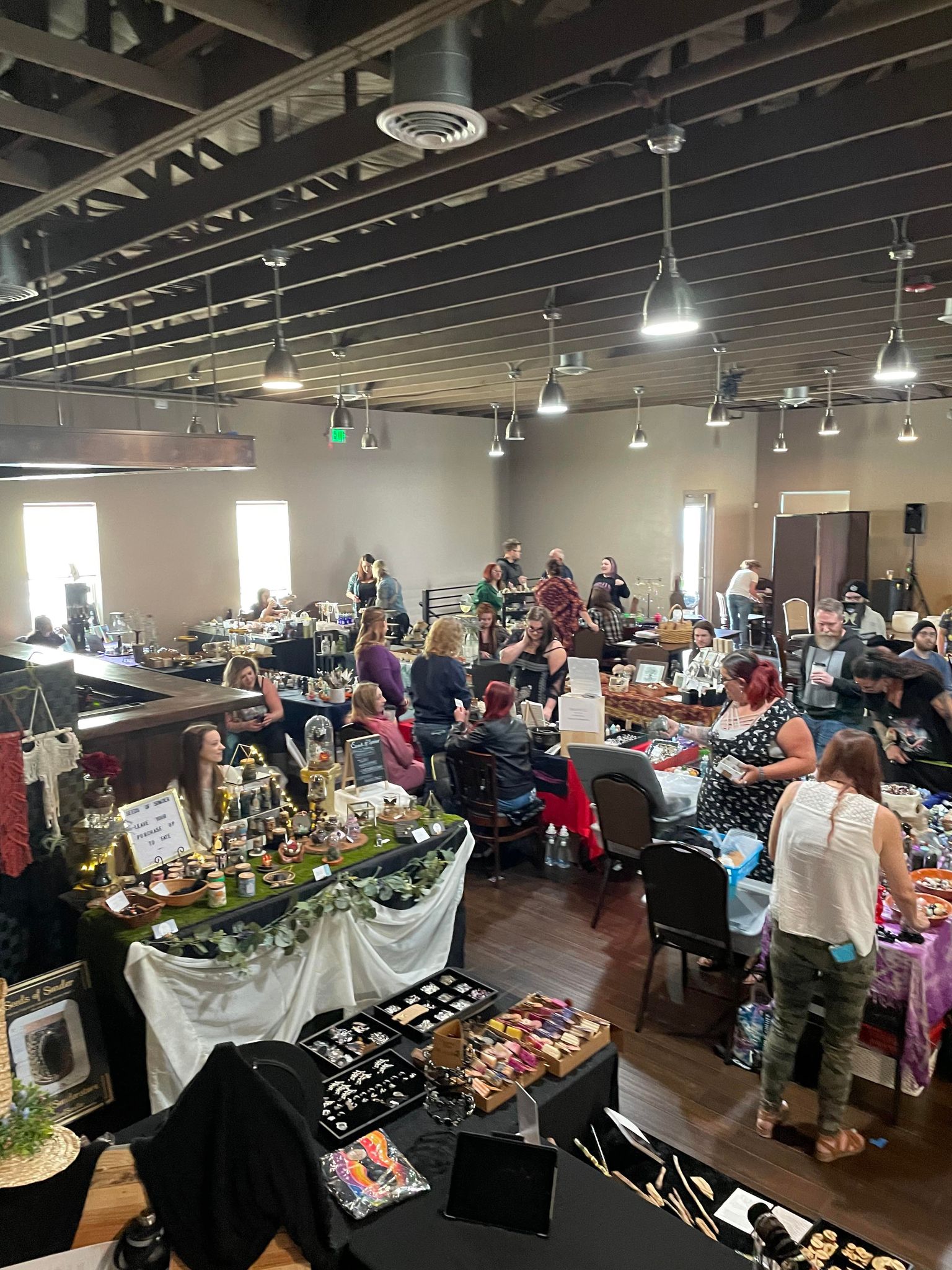
Picture this: a vibrant marketplace buzzing with activity, vendors showcasing their goods, and attendees eager to explore. By opening their doors to markets, event venues have the opportunity to become the focal point of community gatherings, drawing in crowds and elevating their visibility in the process.

The Market Hosting Advantage

Hosting markets offers a unique advantage for event venues seeking to increase their visibility. Unlike traditional events that may have limited appeal, markets have a broad appeal across diverse demographics. From artisanal crafts to gourmet food, markets attract vendors and attendees from all walks of life, creating a dynamic and inclusive atmosphere.

Floor Mapping and Booth Layouts

One of the keys to success in hosting markets is strategic floor mapping and booth layouts. By carefully planning the layout of the market space, venue owners can optimize traffic flow, maximize exhibitor visibility, and enhance the overall attendee experience. Whether it’s creating designated zones for different types of vendors or strategically placing high-traffic areas, thoughtful floor mapping can make a significant difference in the success of the market.

Google 360 Tours

In today’s digital age, showcasing your venue online is essential for attracting clients. Google 360 tours offer a powerful way to give potential vendors and attendees a virtual glimpse into your market hosting capabilities. By providing immersive, interactive tours of your venue, you can captivate audiences and pique their interest in hosting their events at your venue. From the comfort of their own homes, visitors can explore every corner of your space, getting a feel for its ambiance and potential as a market venue.

Pricing and Sales Strategies

Of course, hosting markets is not just about boosting visibility—it’s also about generating revenue. Venue owners can implement strategic pricing and sales strategies to maximize the profitability of their market events. From setting competitive booth rental prices to offering attractive vendor package deals, there are plenty of opportunities to generate revenue while providing value to vendors and attendees alike.

In conclusion, hosting markets presents a powerful opportunity for event venues to boost their visibility, attract new clients, and generate revenue. By investing in strategic floor mapping, leveraging Google 360 tours, and implementing effective pricing and sales strategies, venue owners can position themselves as the go-to destination for memorable market experiences. So why wait? Take the first step towards boosting your venue’s visibility today and watch as your business flourishes in the vibrant marketplace.